The evolution of gambling exploring its historical roots and societal impact
Historical Origins of Gambling
The history of gambling can be traced back to ancient civilizations, where evidence suggests that games of chance were prevalent. Archaeological findings indicate that early forms of gambling were practiced in Mesopotamia around 3000 BC, with dice made from animal bones. These primitive games laid the foundation for what would become a widespread human pastime, serving as both entertainment and a means of social interaction. Today, players can explore new $1 deposit casinos that continue to evolve this traditional pastime.
As societies evolved, so too did gambling practices. The ancient Greeks and Romans developed more structured games and betting systems, often integrating gambling into their cultural rituals. This progression marked the beginning of gambling as a formalized activity, influencing laws and societal norms surrounding chance and fortune.
Gambling in the Middle Ages and Beyond
The Middle Ages saw a significant transformation in gambling, particularly in Europe. The introduction of playing cards in the 14th century added a new dimension to the gambling experience, leading to the rise of games such as poker and blackjack. These games not only captivated the nobility but also permeated the lower classes, becoming a staple of social gatherings.
As the Renaissance emerged, gambling took on a more institutionalized form with the establishment of casinos in the 17th century. These establishments became social hubs where people from various backgrounds could gamble, drink, and socialize. This era marked a pivotal point in gambling history, as it transitioned from informal settings to organized venues, significantly impacting society’s perception of gambling as a legitimate activity.
The Rise of Modern Gambling
The 20th century brought about a new wave of gambling innovations, fueled by technological advancements. The introduction of slot machines and the expansion of casinos in Las Vegas transformed the gambling landscape. Las Vegas became synonymous with gambling, attracting millions of tourists eager to try their luck and indulge in the vibrant nightlife. This era also saw the emergence of state-sponsored lotteries, which further legitimized gambling as a source of revenue for governments.
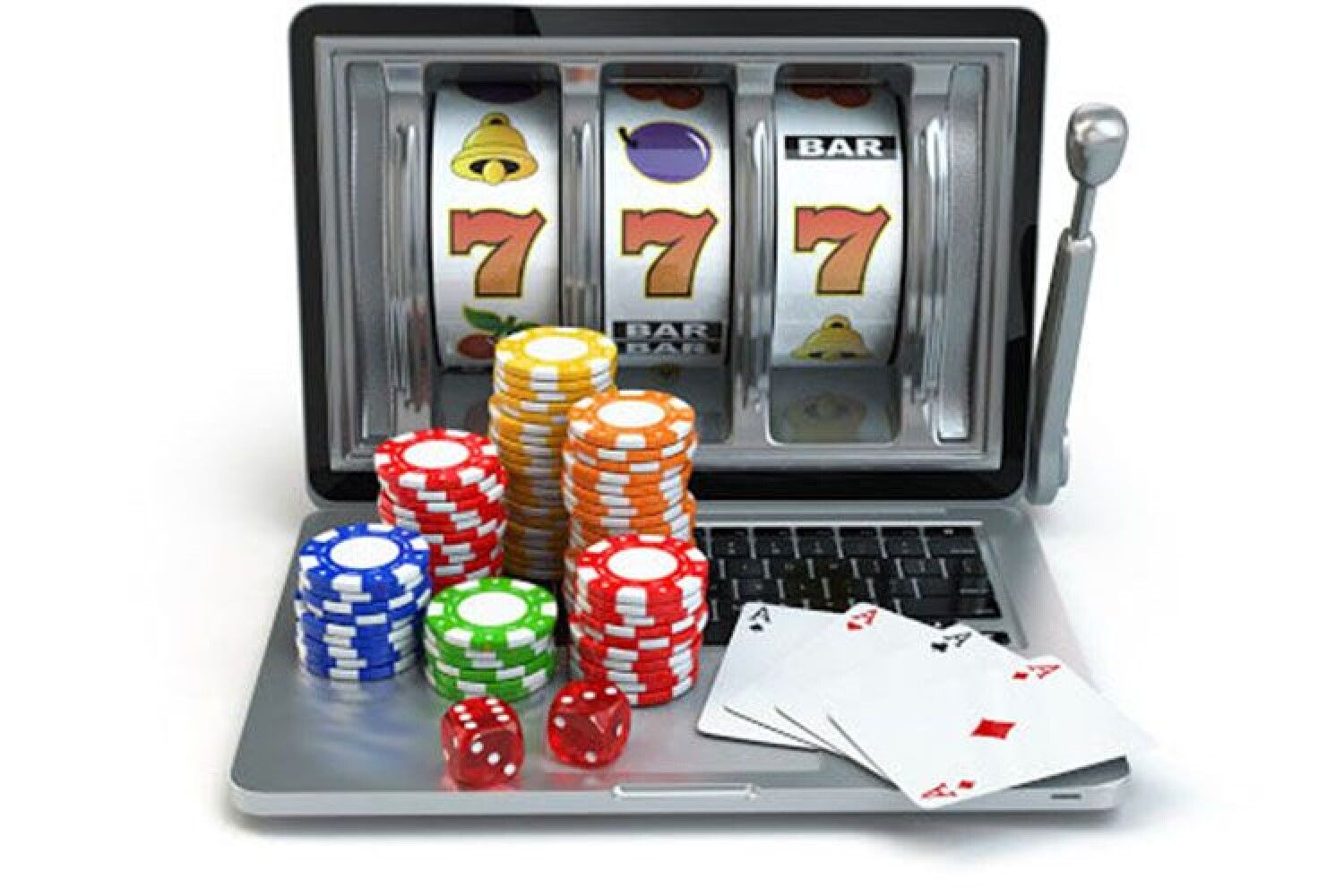
The digital revolution in the late 20th and early 21st centuries propelled gambling into the online space. Online casinos and sports betting platforms became widely accessible, changing how people engage with gambling. This shift not only democratized access to gambling but also raised questions about regulation, responsible gaming, and the impact of technology on traditional practices.
Societal Impacts of Gambling
Gambling has had profound societal implications, both positive and negative. On one hand, it has provided entertainment, created jobs, and generated significant tax revenue for governments. Many communities thrive economically due to the presence of casinos and other gambling establishments, which can fund public services and infrastructure. However, it’s essential to consider the implications of gambling on community health and welfare.
Conversely, gambling can lead to social issues, including addiction and financial hardship. The accessibility of online gambling has exacerbated these problems, prompting discussions about the need for regulation and support systems for those affected. As society grapples with these challenges, the balance between enjoyment and responsibility remains a critical topic of conversation.

Exploring Online Gambling Trends
The evolution of gambling continues to unfold, particularly in the realm of online gaming. With the rise of new online casinos and gambling platforms, players now enjoy a vast array of options right at their fingertips. These digital venues offer a convenient and often immersive experience, attracting both seasoned gamblers and novices.
As we look toward the future, the online gambling landscape is poised for further innovation. Emerging technologies such as virtual reality and blockchain are set to revolutionize how people engage with gambling. These advancements promise to enhance player experiences while also addressing regulatory concerns, ensuring a safer and more enjoyable environment for all participants.